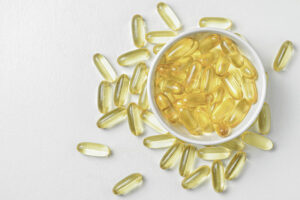
Heart Health
Cut Your Risk of Heart Attack by Half!
Studies have shown that low levels of vitamin D are linked to worse heart health. But you won’t believe how much getting enough vitamin D can help!

Studies have shown that low levels of vitamin D are linked to worse heart health. But you won’t believe how much getting enough vitamin D can help!

Chokeberry is a herb that has not yet attracted a lot of attention. But, as this new study adds to the rapidly accumulating evidence for its cardiovascular benefits, it may finally be time to pay attention.

Metabolic Syndrome is the increasingly common constellation of any three of abdominal obesity, elevated triglycerides, low HDL-cholesterol, high blood pressure and elevated blood sugar. It now affects a whopping 25% of all adults in the world. Treating it is important in the prevention of diabetes and heart disease. There may be a simple way to help do that.

It sounds incredible, but having high cholesterol is nearly the norm and not the exception: 39% of all adults in the world have high cholesterol. The bergamot fruit may offer a safe, effective solution.

If you’ve had a stroke, cutting back on salt may reduce your risk of having another one.
This open label study included 15,249 people who had experienced a stroke. While some of them continued to use regular salt, some of them used a salt substitute that was made up of 75% sodium and 25% potassium.

Spirulina is a tiny microalgae. High blood pressure is a huge problem. This tiny supplement may be a safe, effective answer to this huge problem.
Spirulina is a blue-green microalgae that is absolutely loaded in easily digested, highly absorbable nutrients.

Cardiovascular disease is staggeringly common in North America, and it is the leading cause of death worldwide. Though not commonly thought of as a heart nutrient–in fact, not commonly thought of enough at all–getting adequate selenium could help.
This new study of selenium intake’s effect on cardiovascular disease included 39,372 people.
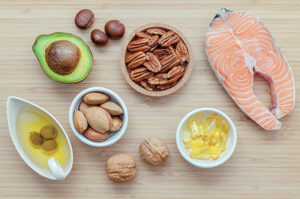
Omega-3 essential fatty acids can significantly reduce the risk of heart failure, heart attack, and even death. A new study of 272,000 people adds to growing evidence that these “good fats” are vital for heart health and overall longevity.
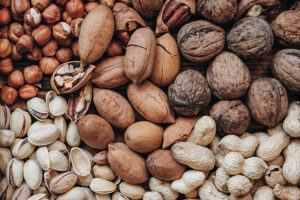
A large meta-analysis confirms that eating nuts daily improves cholesterol by lowering LDL and apolipoprotein B, reinforcing nuts’ heart-healthy reputation despite their fatty profile (Nutrition, Metabolism and Cardiovascular Diseases, 2024).
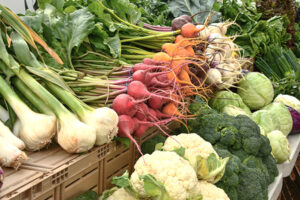
Cruciferous vegetables like broccoli and kale may be especially powerful for lowering blood pressure. In a recent study, just two weeks of cruciferous veggie soup led to greater reductions in blood pressure than other healthy vegetables.